
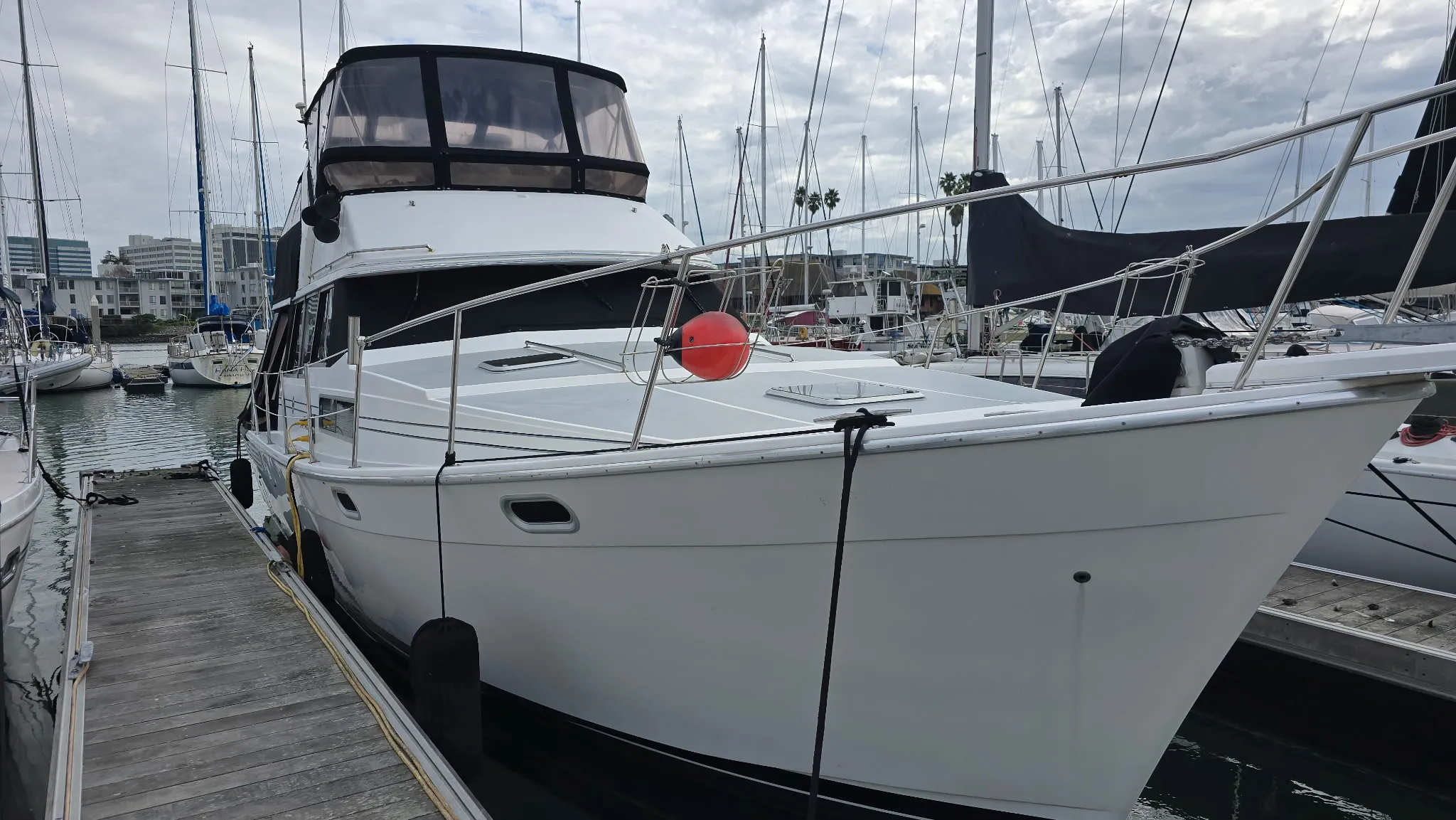
What boat disposal actually involves
Getting rid of a boat isn't like getting rid of a couch. Fiberglass hulls can't go in a dumpster. Fuel, oil, and batteries have to be handled according to environmental regulations. And if your boat has any remaining value — whether in usable parts, the engine, or even the hull itself — you want someone who actually knows how to assess that before they start cutting.
Captain Tom's Boat Removal manages boat disposal from start to finish. We haul the vessel from wherever it is, assess what can be salvaged or recycled, remove and properly dispose of fluids and hazardous materials, and make sure the rest is processed through the right channels. You don't have to figure any of it out.
Disposal situations we handle
- End-of-life vessels — When a boat is simply too far gone to repair or sell, we remove it cleanly and handle all disposal steps so you're no longer carrying the liability or the storage costs.
- Insurance total-loss boats — If your insurer has written off the vessel, we coordinate directly with the documentation requirements your carrier needs and get the boat off your property fast.
- Estate and inherited boats — Inherited a boat you don't want and don't know how to deal with? We handle the removal and can walk you through the title transfer process as well.
- Derelict and abandoned vessels — If you're a marina, HOA, or municipality dealing with an abandoned boat, Captain Tom's provides professional removal and disposal with proper documentation.
- Old trailers and boat junk — We remove boat trailers along with the vessel. If there's related marine junk — old engines, hardware, cabin contents — we take it all in one trip.
Responsible disposal — what that looks like in practice
Boat disposal has real environmental stakes. Fiberglass, when it ends up in a landfill without proper documentation, can cause issues for the boat's last registered owner. Fuel, oil, and coolant have to be drained and handled separately. Captain Tom's crew treats every disposal job with this in mind.
- Fluid removal first — Before anything moves, we drain and contain fuel, oil, and any other fluids on board. This is non-negotiable for us, regardless of the boat's size or condition.
- Part salvage and recycling — Engines, hardware, electronics, and structural components with reuse value are pulled and directed to the right buyers or recyclers. Less goes to the landfill, and in some cases it reduces your disposal cost.
- Full documentation — We provide written records of the disposal process, which you can use with your state's DMV or title office to formally decommission the vessel.
Frequently Asked Questions
Most municipal landfills won't accept fiberglass boats without prior arrangement, and many refuse them entirely. Disposal through a licensed marine waste service like Captain Tom's is the cleaner, legal route.
Yes. We help with the title transfer paperwork so the vessel is removed from your name and properly decommissioned in your state's records.
It depends on the size of the vessel, its location, and its condition. Send us photos and we'll give you a real number fast.